


Chinese New Year 2026: the Year of the Fire Horse and its intercultural challenges
Chinese New Year 2026, under the rare sign of the Fire Horse, is a key moment for understanding the traditions and intercultural challenges of working with China. Anticipate its impact on your professional relationships and your communication.

Chinese New Year, also known as the Spring Festival (Chūn Jié, 春节), is the most important celebration in China’s traditional calendar. It is a time of family reunion, social exchange and symbolic rituals deeply rooted in Asian culture.
A rare year: the Fire Horse (丙午年)
In 2026, Chinese New Year falls on Tuesday, February 17 and marks the start of the year of the Fire Horse, an astrological combination that occurs only once every 60 years.
- The Horse traditionally symbolizes energy, freedom, independence and mobility.
- The Fire element reinforces these qualities, lending them passion, dynamism and energetic intensity.
This year is therefore often seen as favorable to action, boldness and ambitious projects, though it can also encourage impatience and impulsiveness.
The main traditions of Chinese New Year
The Spring Festival traditionally lasts 15 days, from New Year through to the Lantern Festival.
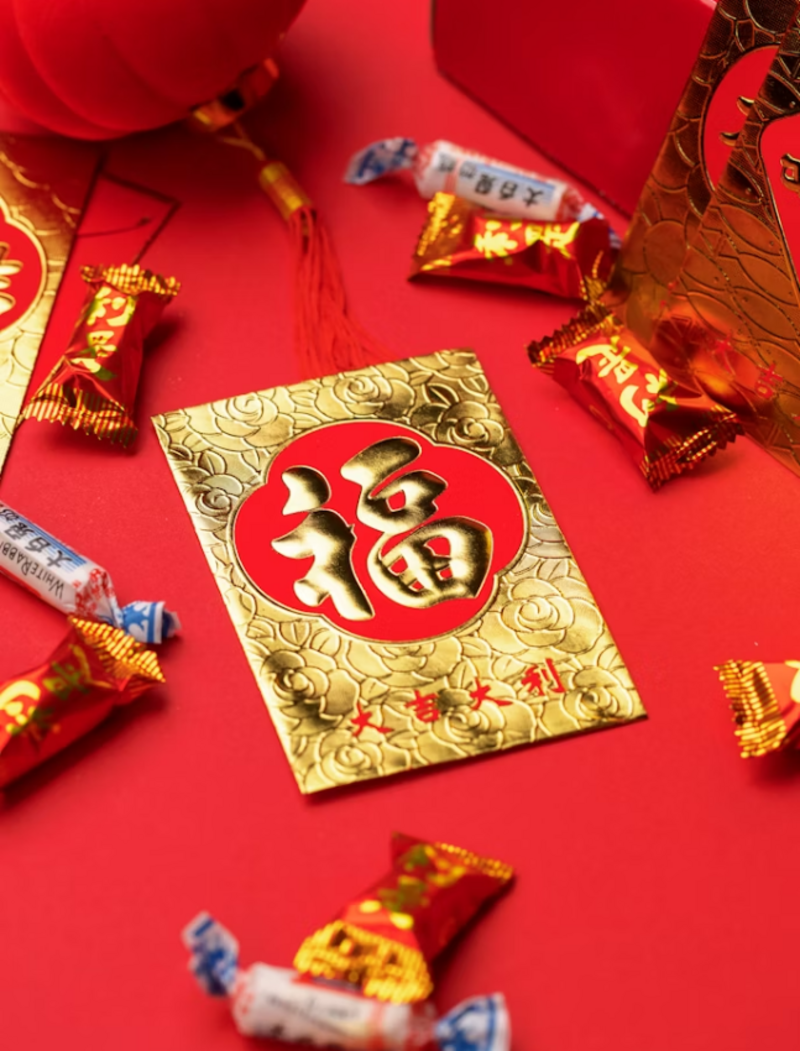
Key rituals and symbols
- Reunion dinner (Niányèfàn): the family meal on New Year’s Eve, where symbolic dishes are eaten (fish for abundance, dumplings for wealth, longevity noodles).
- Red envelopes (hóngbāo, 红包): gifts of money exchanged to wish luck and prosperity.
- Red decorations and lanterns: red symbolizes luck and protects against evil spirits.
- Fireworks and firecrackers: a tradition meant to drive away the legendary monster Nian and bad influences.
- Lantern Festival (15th day): games, colorful lanterns and sweet treats shared with family to close the celebration.
Sociocultural specificities and professional implications
Leave and human flows: Chunyun
In China, this period coincides with the largest annual human migration in the world, known as Chunyun, when hundreds of millions of people return home to celebrate with their families.
For international HR professionals and managers, this means:
- Planning leave and project deadlines well in advance, as many partners or employees may be away for several weeks.
- Respecting these pauses: Chinese companies often observe several official days of leave around the New Year.
Intercultural communication: sending your wishes
Sending a message of good wishes to your Chinese partners around the New Year is a mark of cultural consideration. A few useful expressions:
- 新年快乐 (Xīnnián kuàilè): Happy New Year
- 恭喜发财 (Gōngxǐ fā cái): May you be prosperous
These gestures strengthen the relationship and show an understanding of the values and symbols that matter to the people you work with.
Cultural trends 2026
This Year of the Fire Horse calls for innovation, movement and boldness, but also for responsibility in important decisions. In the contemporary Chinese context, several interesting developments can be observed:
- Digital integration of traditions: sending electronic hongbao through mobile payment apps is becoming common, making it easier to share wishes and luck in a modern format.
- Urban adaptations of celebrations: some cities are limiting the use of fireworks for safety or environmental reasons.
- Drone shows: alongside or in place of fireworks, China’s major cities now use drones to light up the sky with cultural and modern patterns (lanterns, flowers, Chinese characters or zodiac animals). These shows are at once a technological feat and a new form of cultural expression, illustrating how China blends millennia-old tradition with contemporary innovation.
A celebration full of meaning for the professional world
Chinese New Year 2026 is not only a festive event: it is a window onto the cultural, social and human values that shape life in China. For professionals working across cultures, understanding these traditions and their social influence makes it possible to:
- respect different cultural rhythms
- adapt communication and planning
- strengthen relationships with Chinese partners
It is an opportunity to align corporate practices with what this festival truly represents in the lives of millions of people.
About the author

As a specialist in Cross-Cultural Management and Diversity & Inclusion, Akteos helps companies to master risks linked to cultural differences and to value diversity as an asset by developing the skills of managers and their teams.